Welcome: SHANDONG YESMORE LOGISTICS CO.,LTD
Language:
 ∷
∷

∷
 ∷
∷


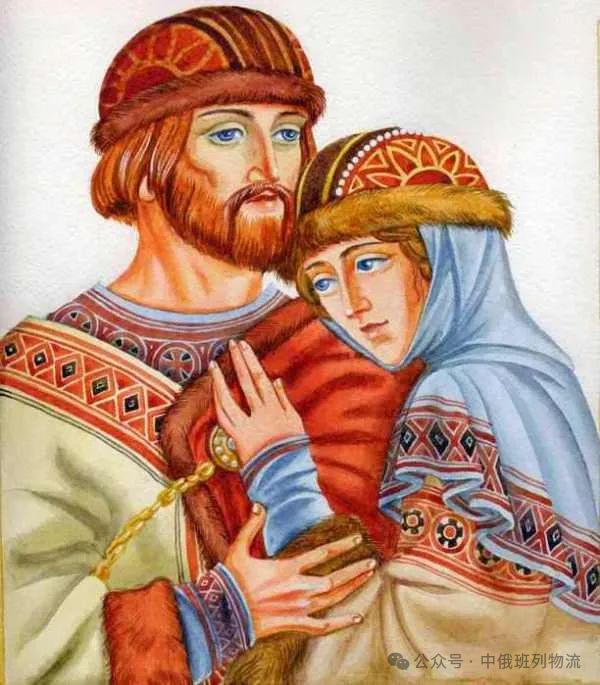
The holiday traces its roots to a saintly couple from the 13th-century Principality of Murom: Prince Peter and a commoner maiden named Fevronia. While campaigning, Prince Peter was infected by poisonous blood and contracted a stubborn case of leprosy; after seeking renowned physicians in vain, he received guidance in a dream that led him to Fevronia, the daughter of a beekeeper. Skilled in herbal medicine, the young woman cured Peter, and the prince promised to marry her upon his recovery.
However, after returning to the palace, Peter reneged on his promise, deeming her background too humble—only for his skin disease to immediately recur. After seeking treatment a second time, he finally recognized the sincerity of his feelings and, defying pressure from the royal court, married his commoner bride. Displeased by the Queen's lowly origins, noble ministers forced the prince to choose between his crown and his wife; Peter chose to abdicate, going into rural exile with his beloved. Later, following domestic turmoil, the people implored the couple to return and rule together.
In their twilight years, the couple retired to a monastery, wishing to pass away on the same day—a wish that was ultimately granted when they both died on July 8. Although buried in separate coffins, their bodies were miraculously found together in a single casket the following day. They are venerated by the Orthodox Church as patron saints of marriage. In 2008, Russia officially designated July 8 as a national holiday to promote the values of fidelity and family harmony.
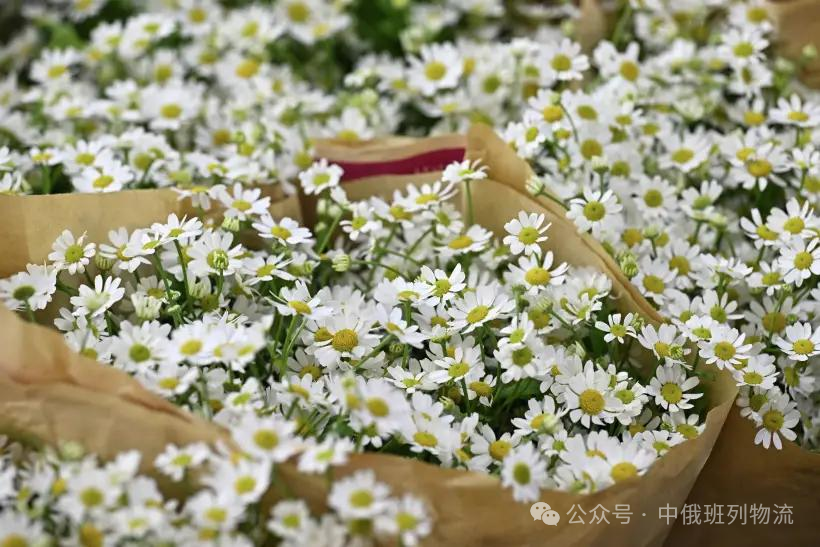
Unlike roses, which symbolize passionate love, the soul of this holiday is represented by the white chamomile flowers that grow wild across the countryside. The ancient Rus' people viewed the chamomile as a symbol of simple resilience—representing pure, enduring, and steadfast affection—making it a form of romance accessible to everyone. On the day of the festival, streets are filled with chamomile bouquets at flower shops and markets; people exchange these small blossoms rather than expensive gifts, as a simple bunch of white flowers conveys the best wishes. There are even special holiday postcards adorned with chamomile patterns, which locals freely give to their partners, family members, and elders.
1. A City-Wide Rush to Register Marriages; Civil Registry Offices Suspend Divorce Processing
July 8th marks the peak day for marriage registrations across Russia, with registry offices in major cities extending their operating hours. Interestingly, most civil registry agencies process only marriage applications on this day and suspend divorce proceedings, symbolizing a focus on lifelong union rather than separation. As the birthplace of the festival, the city of Murom is a particularly popular destination for couples to register their marriages.
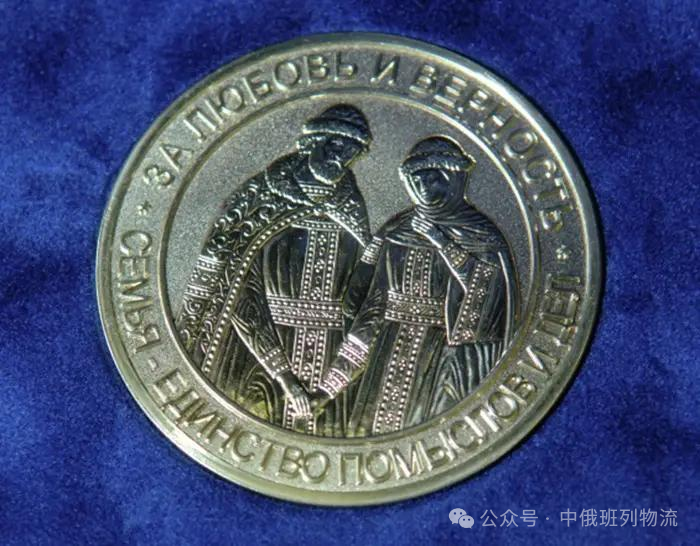
2. Couples Married for Over 25 Years Receive a Special Medal of Fidelity
The government awards commemorative medals to couples who have been married for at least 25 years and maintain a harmonious family life; this is considered a highly prestigious honor for families in Russia. Award ceremonies are held in city squares, where couples celebrating their silver or golden wedding anniversaries are invited to share stories of their life together.
3. Family Outings and Picnics: A Celebration of Togetherness
Unlike holidays typically spent solely by romantic couples, the core theme of this festival is "family." Russians take their elderly relatives and children to parks or riverside spots for picnics. Open-air concerts and handicraft markets are held, featuring the sale of woven flower wreaths, honey, and traditional handmade goods, with people of all ages participating.
4. Church Prayers for Good Matches and Family Harmony
Single young people visit churches to pray for a faithful, long-lasting partner, while married couples pray for their family's safety and marital stability. It is a heartwarming festival that caters to both singles and married couples alike. IV. Fun Facts: Key Differences from Western Valentine's Day
1. Different Essence: February 14th focuses on the romance of passionate love, whereas July 8th emphasizes enduring loyalty and the wholeness of the family;
2. Different Symbols: Roses vs. affordable wild chamomile—a choice that feels more down-to-earth;
3. Different Audience: It is not limited to couples; parents, grandparents, and the entire family can celebrate together;
4. No Excessive Commercialization: There is little marketing of luxury goods; the focus is on natural, simple, and heartfelt warmth.
A Brief Summary
In the height of summer—July—just as the romantic bonfires of Ivan Kupala Day fade, the Day of Family Loyalty follows. It embodies a view of marriage and love deeply ingrained in the Russian soul: while the thrill of passionate romance is rare, a lifelong union is even more precious. A simple bouquet of chamomile and a family picnic—this is the unique, tender ritual cherished by the "Fighting Nation."

Contact: Jane Wang
Phone: +8613287005502
Tel: +86 533 3595637
Email: info@zbyesmore.com jane@zbyesmore.com
Add: Shandong province,China


